
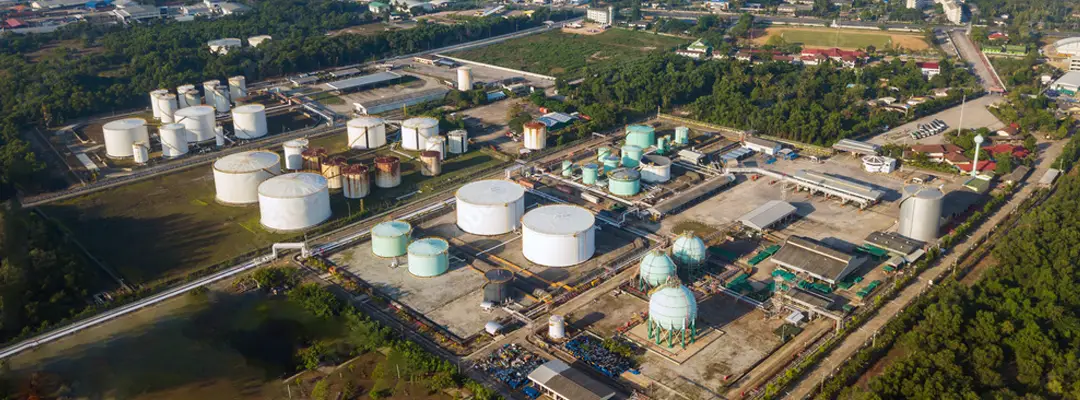
A North American midstream operator using AVEVA System Platform (fka. Wonderware) inherited a non-AVEVA SCADA footprint—two plant systems and 16 compressor stations—along with assorted HMIs, tags, and alarm conventions that did not meet company standards. The acquired environment was very fragmented: non-standard tags, inconsistent graphics, and performance issues that eroded operator confidence. The mandate was to bring the assets into compliance and modernize using System Platform without disrupting control-room workflows, compromising regulatory reporting, or blowing the budget. This case study details the first phase (“Phase 1”) of a multi-phase project. As an AVEVA Endorsed partner for Systems Integration, CSE ICON designed the target architecture, configured components, standardized templates and graphics, and executed a phased cutover, which balanced rigor with speed.
Challenge: Fragmentation, Performance Drag, and Operational Risk
Because the SCADA footprint was acquired from multiple sources, different teams and philosophies had produced competing tag structures and approaches to common objects. Operators saw sluggish screens and occasional timeouts, engineers wrestled with historian inconsistencies that complicated analysis and reporting, and mixed protocols and legacy PLCs raised interoperability risks during transition.
A pilot site validated the migration pattern, but subsequent sites weren’t standardized. Naming conventions and object philosophies varied by site, requiring tedious “per-site” adjustments rather than a
purely cookie-cutter rollout.
Pain points at a glance
- Fragmented architecture and non-standard tag naming across sites
- Performance bottlenecks reduced operator responsiveness
- Historian gaps and timestamp inconsistencies weakened trust and reporting
- Heterogeneous protocols and legacy PLC integrations increased interoperability risk
- Tight cutover windows and budget constraints required hardware reuse

Approach: Phased Cutover, Standards-First Design, Rigorous Validation
CSE ICON opted for a phased cutover approach, not a big bang. Controlled waves enabled production validation, clear rollback options, and faster iteration. Every four sites, the team measured performance and carried lessons forward into the next wave.
Architecting for scale and consistency
CSE ICON deployed System Platform with the Galaxy Repository, Application Server, Historian, and InTouch HMIs. Standardized object templates and ArchestrA symbols enforced consistent behaviors. ISA naming established a uniform namespace across assets and teams. A shared graphics library standardized navigation, color semantics, and alarm indications. Operators got predictable overview screens, alarm summaries, and templated detail views, allowing them to “learn once, use everywhere.”
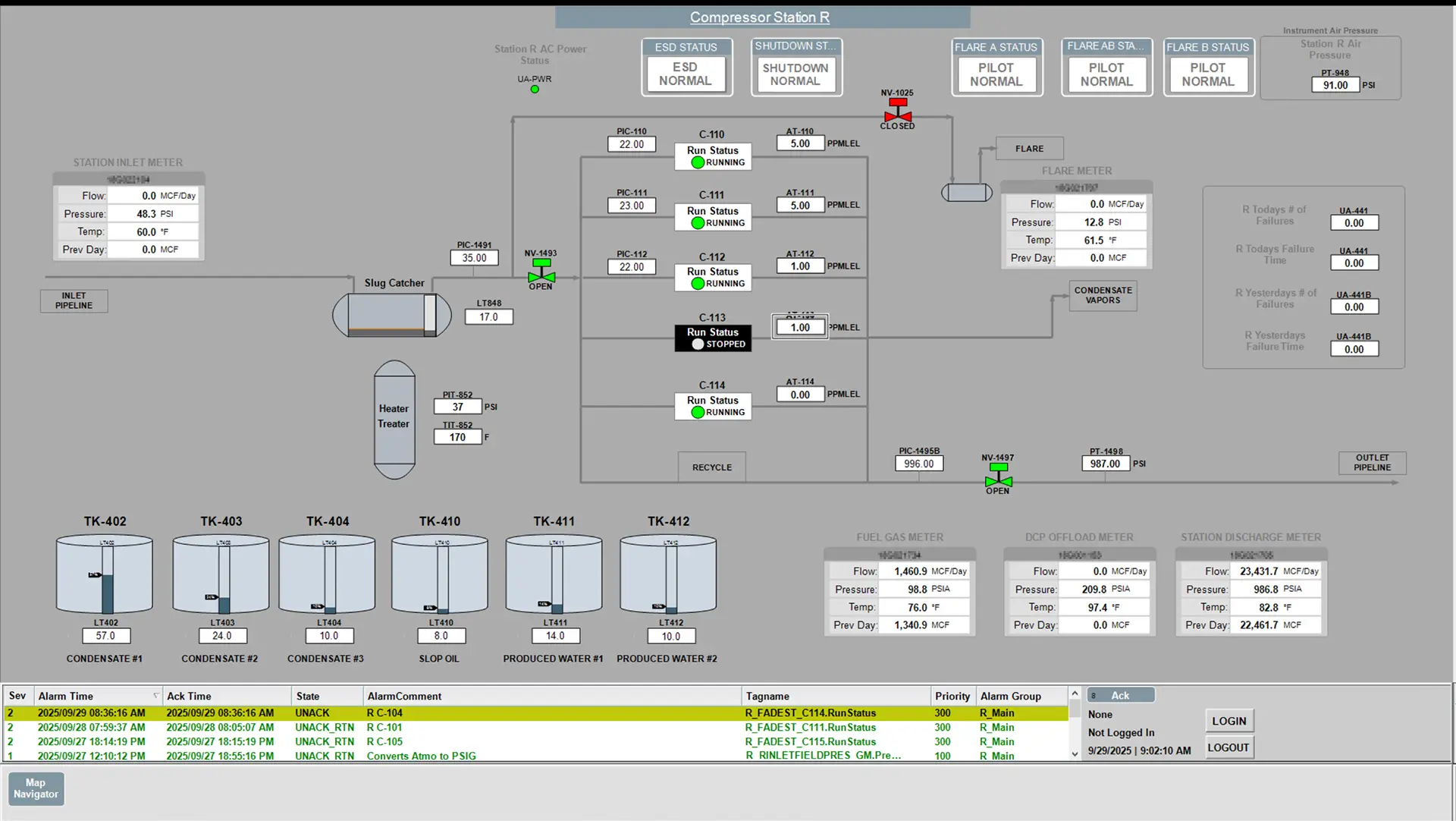
Figure 1 – Compressor Station R Main View
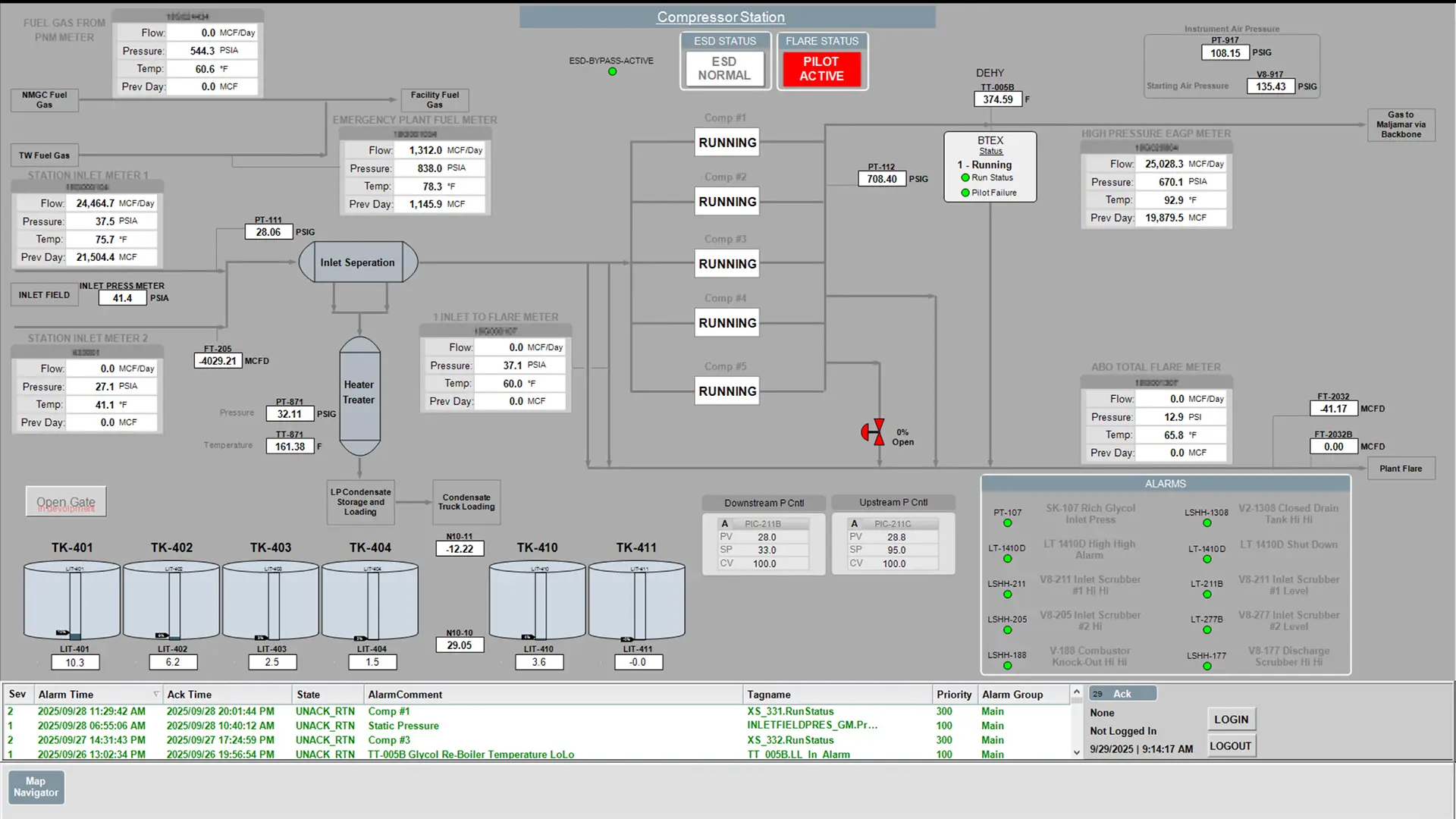
Figure 2 – Another Compressor Station Main View
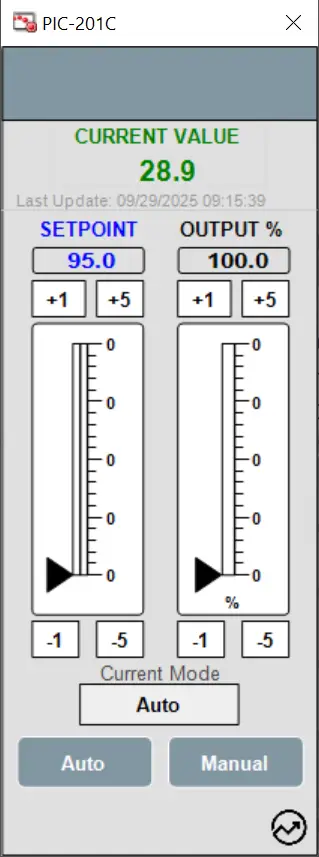
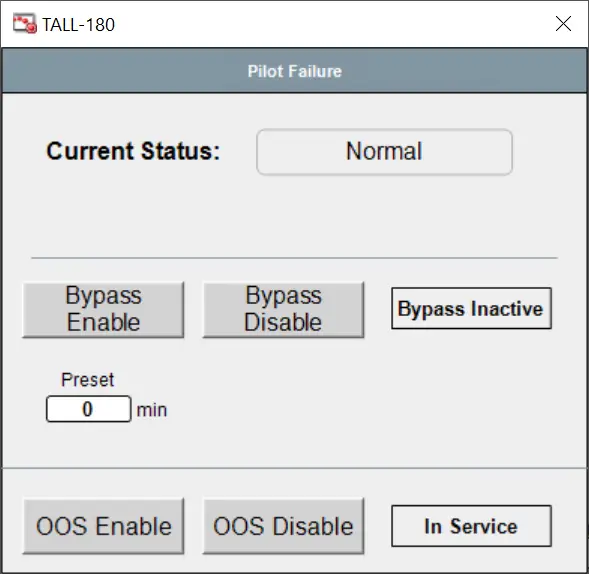
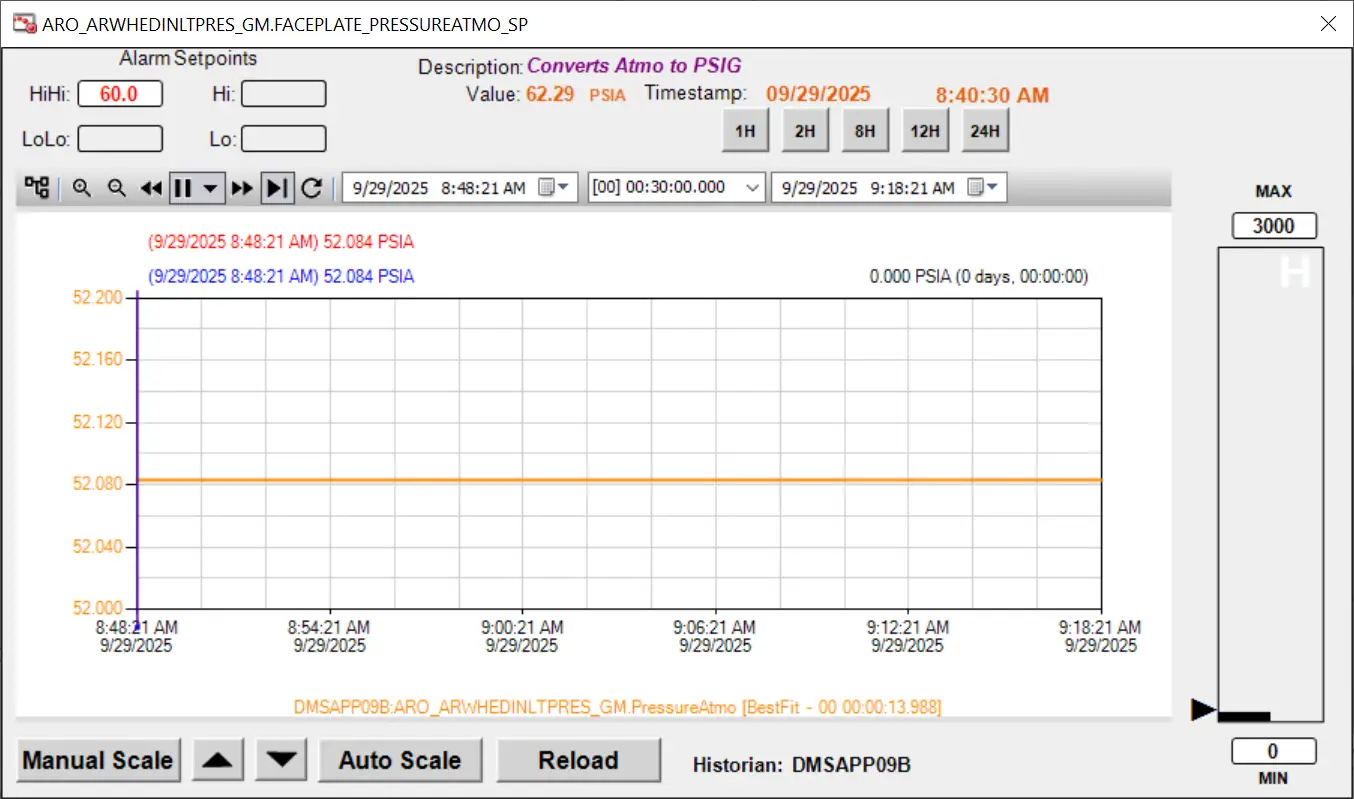
Figures 3-6 – Popup Detail Views
Interoperability without interruption
Phase 1 deliberately retained the inherited SCADA system as the polling engine feeding System Platform in a read-only pattern via System Platform’s built-in integration—no custom middleware. System Platform also integrated with Kepware for Modbus TCP, EtherNet/IP, and legacy drivers as needed. CSE ICON coordinated PLC logic/address changes with field technicians, and critical tags were validated point-to-point against the inherited SCADA system before each switchover.
How the signals kept flowing
During each cutover, communications ran in parallel to ensure continuity, with the new AVEVA paths brought online while the inherited SCADA links remained active. Critical tags were validated point-to-point against the inherited OPC source to confirm fidelity before any change in traffic. Cutovers proceeded site by site, and CSE ICON executed each transition with snapshot-based rollback ready, so the team could revert instantly if an anomaly appeared.
Right-sizing templates to mitigate bottlenecks
The client’s System Platform templates were built for full controller point sets, while the inherited SCADA system exposed a smaller subset. To avoid error floods and rework, CSE ICON consolidated templates and applied scripting/wizards to suppress unavailable points. The design is reversible: once the inherited SCADA system is removed in a future phase, suppressions can be disabled and full templates re-enabled.
Historian integrity and trust in the data
CSE ICON compared data in the inherited SCADA historian data with AVEVA Historian to validate timestamp integrity, detect gaps, and check events/values. Where applicable, backfills were executed with automated checks. Scripts reduced manual error in tag migration and testing. During Phase 1, a data SME focused on real-time parity while coordinating deeper historical reviews with client stakeholders.
Validation touchpoints
Validation centered on proving parity and integrity before moving on. CSE ICON conducted side-by-side checks across key assets and representative time windows to confirm that the values and events in AVEVA matched the inherited system. Automated routines flagged gaps and verified timestamp integrity, surfacing any drift early. Where historical data needed to be recovered, backfill jobs were executed with verification steps to confirm completeness. Tag migration and functional tests were scripted to reduce manual error and create a repeatable pattern that the team could apply at each subsequent site.
Alarm rationalization and operator focus
Alarms were restructured within objects with shelving, priorities, and deadbands. To avoid duplicate notifications while both systems ran in parallel, CSE ICON replicated alarms visually in System Platform but left email/SMS in the inherited SCADA system for Phase 1.
Security and compliance built in
Security-by-design guided decisions: Role-Based Access Control (RBAC), certificate-based authentication, secure OPC UA, governed remote access, and documented patching/change control. The posture supported safe hardware reuse and virtualization without elevating risk.
Delivery rhythm and change management
Work progressed through development, testing (“sandbox”), and production, with version control and change requests. CSE ICON coordinated virtual machine (VM) provisioning and networking with the client’s IT department. Pre-staged configurations compressed cutover windows; snapshot-based rollbacks kept downtime risk to a low level. The cadence became predictable – pilot, evaluate, adjust, repeat — and as a result, each wave became faster and cleaner.
Results: Reliability, Usability, and Lower O&M
The project maintained continuity throughout the migrations, and every interaction resulted in a noticeable difference. Operators saw faster, clearer interfaces; engineering saw cleaner data; leadership saw a platform that scales without ballooning support costs. The program achieved 99.95% uptime during cutovers across 16 compressor stations. More than 8,000 tags were migrated with validated historian integrity supported by timestamp checks and gap detection. Alarm rationalization reduced nuisance events by approximately 40%. Standardized HMIs improved troubleshooting speed while regulatory reporting continuity was preserved.
Business Impact
- Standardized naming and templated objects lowered operations and maintenance (O&M) complexity and sped up onboarding
- Hardware reuse and virtualization honored budgets without compromising security
- Improved historian fidelity enabled remote diagnostics and set the stage for analytics
Lessons Learned (and What We’d Do Differently)
A few themes stood out that would shape a faster, cleaner next wave. First, perform a deeper multi-site standardization analysis upfront. When environments are acquired or have evolved independently, a pilot typically generalizes with difficulty. Mapping naming philosophies, object models, and alarm conventions across sites before wave one would have reduced rework and smoothed the rollout cadence.
Second, right-size templates early when bridging through an existing SCADA system. Suppressing unavailable points prevented error floods and operator distraction, but the model must anticipate future expansion. Designing templates so complete point sets can be cleanly re-enabled once the interim bottleneck is removed preserves velocity now and avoids rework later.
Third, invest more in operator training and pilot usage. Putting real screens in front of control-room staff earlier surfaces UI refinements, builds confidence, and accelerates adoption. In parallel, expanding automation for historian parity checks and template regression tests becomes essential as tag counts and site diversity increase.
Finally, security worked best when it was the default, not the exception. Role-based access determined who could see and do what; certificates established trust boundaries across servers and clients; OPC UA channels ran with secure defaults; and patching plus change control were routine and documented. Because these measures were woven into both design and delivery, CSE ICON moved fast without leaving gaps—and did so on reused hardware and virtualized infrastructure without elevating risk.

What’s Next
With Phase 1 complete, backups scheduled, certificate lifecycles in place, historian sync drift monitored, Phase 2 is scheduled for a future window aligned with budgeting and resourcing. The next phase will remove the dependency on the inherited SCADA system and migrate polling to a native or alternate communications layer (e.g., TOP Server) to reduce hops and points of failure and fully leverage the standardized template library.
“If we ran it again, we’d front-load alarm rationalization and training. It shortens the curve for operators and amplifies benefits across later sites.”
Plan Your Low-Risk SCADA Migration
Get a 30-minute consultation to map your phased AVEVA System Platform migration—security-first, operator-friendly, and built to scale.
Why This Approach Worked
This approach succeeded because it combined disciplined standardization with controlled execution. CSE ICON standardized aggressively—templates, naming, graphics—so the platform could scale safely without increasing cognitive load for operators. Risk was reduced through phased cutovers with measurable checkpoints, allowing lessons from each wave to inform the next. Trust in the data was protected by rigorous historian validation and backfill verification, while operator friction dropped thanks to rationalization alarms and consistent HMIs. Crucially, security and governance were embedded from day one to—RBAC, certificates, and secure OPC UA—so the team could move fast without leaving gaps.
Apply This Blueprint
If you’re planning a migration to System Platform or standardizing SCADA across multiple sites, this blueprint helps you achieve near-zero downtime while improving operator experience and data integrity. A phased, standards-first approach—anchored by consistent templates and naming, rigorous historian validation, right-sized HMIs and alarms, and security-by-design—reduces risk and accelerates adoption. CSE ICON provides the architecture, templates, and execution rhythm to enable this practice with confidence.
“The CSE team delivered impressive results despite inconsistent system standards and incomplete source data such as tag lists and P&IDs. They developed a highly polished solution that integrated seamlessly into our existing SCADA environment, matching the established look, feel, and workflows so closely that end users were able to work with the updated screens and data quickly and confidently.”